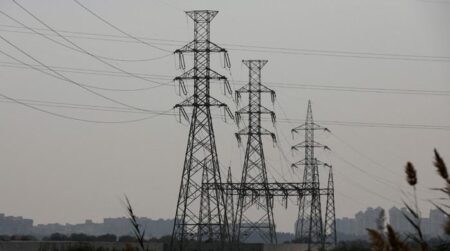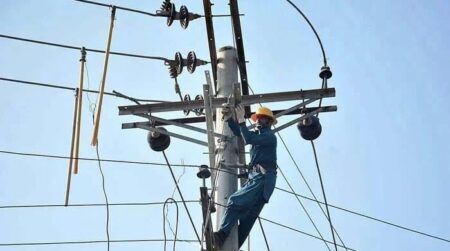

- The federal cabinet of Pakistan has approved a substantial increase in electricity tariffs to comply with IMF conditions, potentially burdening consumers with an additional Rs600 billion.
- Nepra’s recommended tariff hike, averaging Rs5.72 per unit, aims to standardize electricity costs across Pakistan from July 1, 2024.
- Pakistan is pursuing a $6 billion IMF bailout, setting ambitious fiscal targets including a 40% rise in tax revenues and a reduced fiscal deficit to 5.9% of GDP for the fiscal year 2024-25.
Government Approves Increase in Electricity Tariff, Affects Consumers
Islamabad – The federal cabinet, complying with International Monetary Fund (IMF) conditions, has endorsed a significant increase in Pakistan’s electricity tariff, sources confirmed to The News. This decision is expected to impose an additional financial burden of approximately Rs600 billion on consumers.
Cabinet Decision
Sources indicate that the federal cabinet has greenlit the proposal to raise the basic electricity tariff, with approval obtained through a circulation summary. The National Electric Power Regulatory Authority (Nepra) had earlier forwarded a recommendation to hike the tariff by an average of Rs5.72 per unit.
Implementation Details
Upon Nepra’s approval, the federal government will issue a notification to enforce a uniform tariff across the country. The new tariff, slated to begin from July 1, 2024, for the fiscal year 2024-25, will see an increase from the current Rs29.78 to Rs35.50 per unit.
IMF Conditions and Economic Impact
The decision aligns with IMF prerequisites, mandating the tariff hike by July 10, 2024, as part of unlocking the IMF loan program. Pakistan aims to secure a staff-level agreement on a $6 billion IMF bailout this month, crucial for stabilizing its economy amidst rising domestic discontent over new taxation measures.
Budgetary Measures
In its annual budget, Pakistan has set ambitious targets, including a tax revenue goal of Rs13 trillion for the fiscal year, a 40% surge from the previous year. The fiscal deficit target has also been reduced to 5.9% of GDP from 7.4% in the prior year, signaling stringent fiscal measures amid economic challenges.