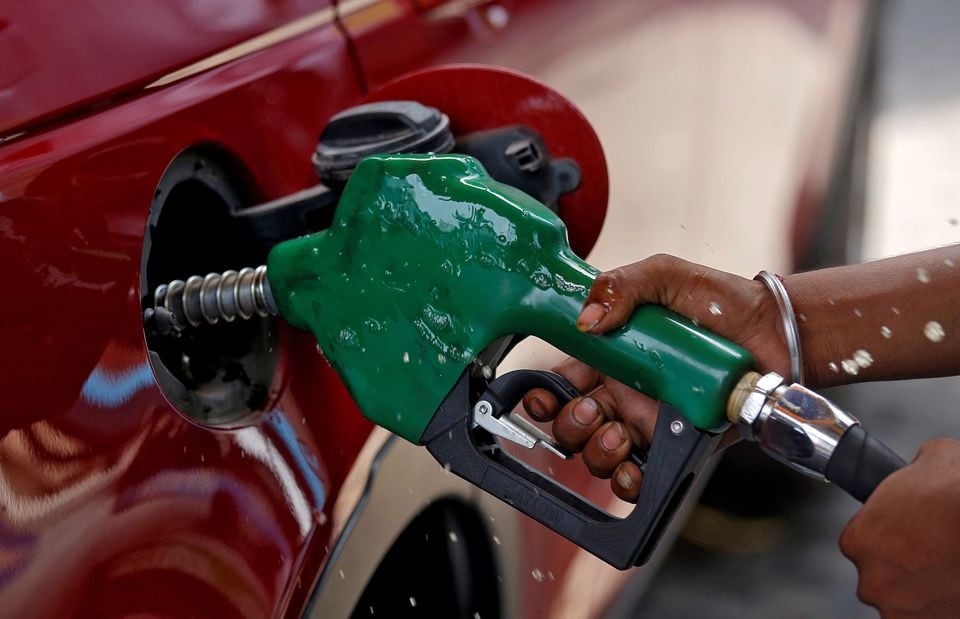
In a move that may contribute to inflation, the government is contemplating a record increase in petrol levy rate, potentially reaching Rs60 per litre on petroleum products. This proposal is part of the government’s strategy to generate approximately Rs2.9 trillion in non-tax revenues during the upcoming fiscal year.
The objective behind this proposal is to create more fiscal space for expenditures, as the government expects a 30% surge in pension payments and the functioning of the civil government compared to the original budget for this year.
According to sources, the Ministry of Finance has suggested raising the levy rate by an additional Rs10 per litre, aiming to collect around Rs870 billion from this source during the fiscal year 2023-24. The current rate stands at Rs50 per litre.
Despite expectations of crude oil prices reaching $100 per barrel by the year-end due to Saudi Arabia’s production cuts of 100,000 barrels per day, the Ministry of Finance has still put forth this proposal. The projected petroleum prices for the next fiscal year are expected to remain high, with the central bank estimating an average exchange rate of Rs308 per dollar.
During the current fiscal year, the government had set a collection target of Rs855 billion through the petroleum levy. However, in the first nine months, the collection only reached Rs362 billion.
The profits of the State Bank of Pakistan (SBP) serve as another significant source of non-tax revenue. Sources reveal that the finance ministry now estimates the income under this category to be Rs1.1 trillion, compared to the earlier estimate of Rs920 billion.
Non-tax revenues are not shared with the provinces, and the federal government is increasingly relying on these sources to fund its expenditures. To meet the target of collecting Rs2.9 trillion in non-tax revenues for the next fiscal year, the government may also explore other sources such as wealth tax and windfall levy on banks, as per the sources.
For the current fiscal year, the government aimed to generate Rs1.9 trillion in non-tax revenues.
The government faces challenges in finding innovative ways to increase tax collection, hindered by internal politics that impede the implementation of recommendations from the Reform and Revenue Mobilisation Commission (RRMC). The RRMC report suggests that implementing five measures could generate an additional Rs635 billion in revenues during the next fiscal year. One of the recommended measures is to end the final tax regime for exporters, which could generate Rs300 billion in annual revenues for the Federal Board of Revenue (FBR).
Currently, exporters are taxed under the Final Tax Regime and are exempt from FBR audits. The RRMC proposes bringing exporters under the normal tax regime by placing them under the Minimum Tax Regime.
The RRMC report also suggests that increasing the income tax rate for the non-corporate sector could generate an additional Rs150 billion in revenues.
Curbing expenditures remains a major challenge for the government. Pension expenditure is estimated to be Rs780 billion for the next fiscal year, a 28% increase compared to this year’s original budget. Additionally, the cost of running the civil government is projected to be Rs720 billion, up by 30%.
Sources indicate that the budget deficit for fiscal year 2023-24, the gap between expenses and income, is estimated to be around 7.4% of the GDP, equivalent to approximately Rs7.8 trillion in rupees.
The government has made slight adjustments to its earlier projected budget figures. The overall primary budget may show a slight positive balance due to provincial cash surpluses. The overall budget deficit could be around 6.8% of the GDP or approximately Rs7.2 trillion.
Stay informed and engaged with the PakWeb family by following us on Facebook, Twitter, and participating in our Discussion Forums.